Private aviation
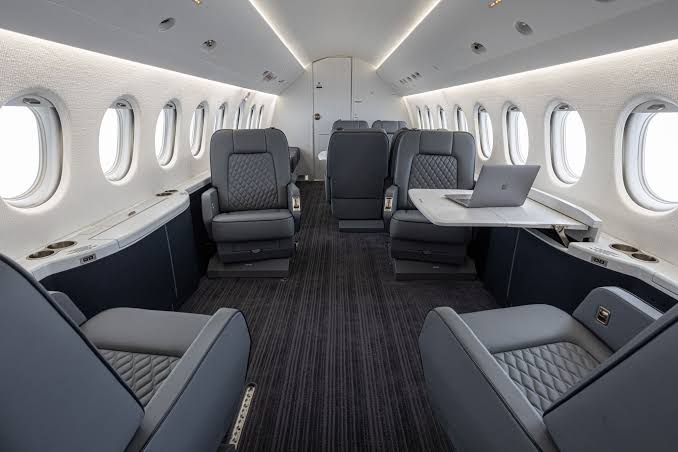
Cabin & baggage fit
Match cabin volume, seat layout, baggage hold, range and runway performance to the actual trip.
 Aircraft: Dassault Falcon 5X Maiden Flight by Falcon Photography, CC BY-SA 2.0, mirrored and cropped
On-demand charter from light jet to ultra-long-range, with cabin and baggage fit, operator vetting, airport strategy, catering, transfers and on-trip changes coordinated by one private desk.
Route, timing, passenger count, privacy, baggage, pets, cabin expectations, airport access and onward movement are gathered first. The desk then sources across suitable operators and stays responsible for the handoffs around the flight.
Match cabin volume, seat layout, baggage hold, range and runway performance to the actual trip.
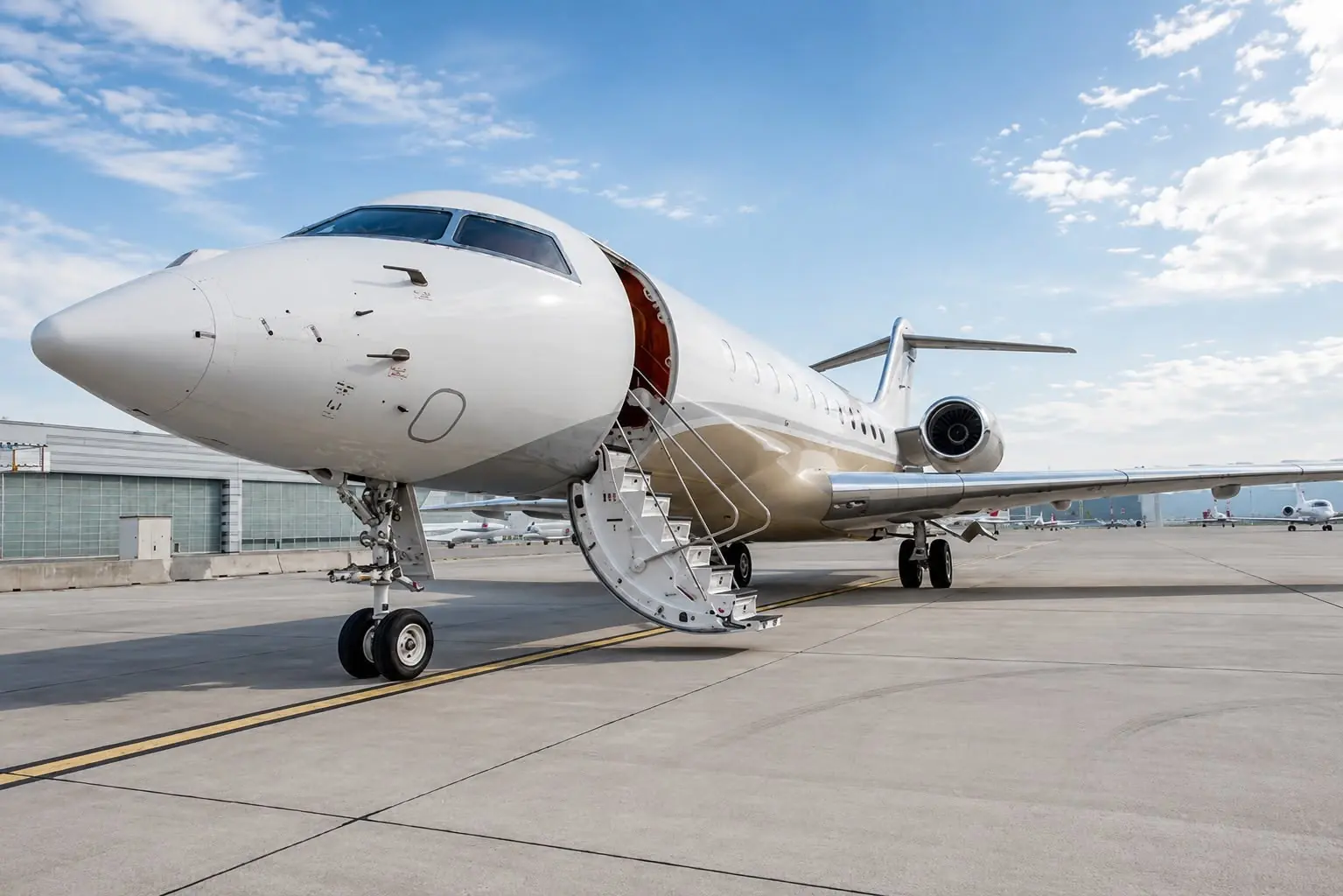
Choose the field that best balances runway, slot, customs, traffic and the final ground movement.
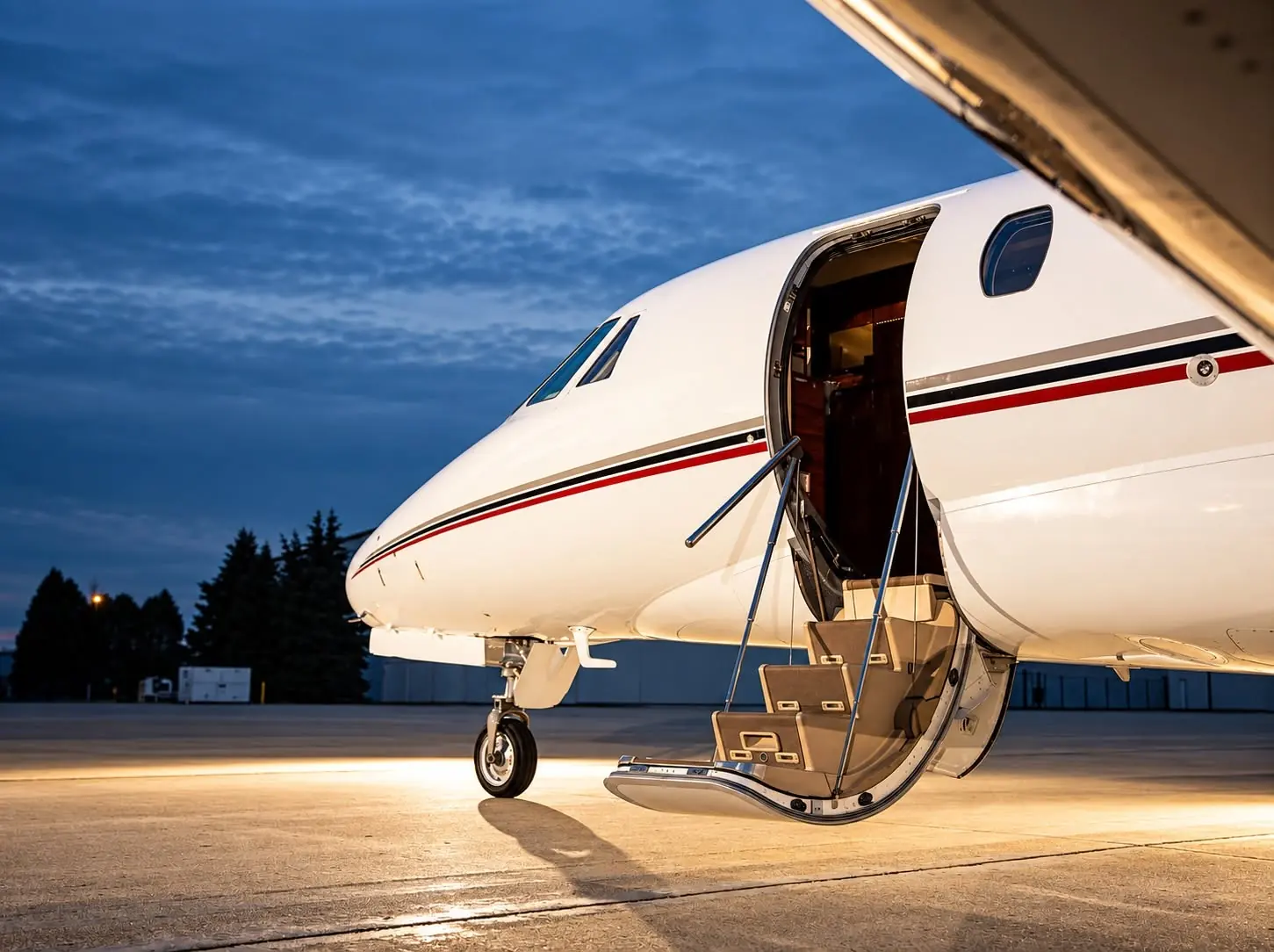
Review the proposed operator, aircraft and mission-specific evidence before the client confirms.
A high-touch brief includes the aircraft, but also the airport, the operator, the cabin, the luggage, the food, the car, the helicopter connection and the changes that happen once the day starts.
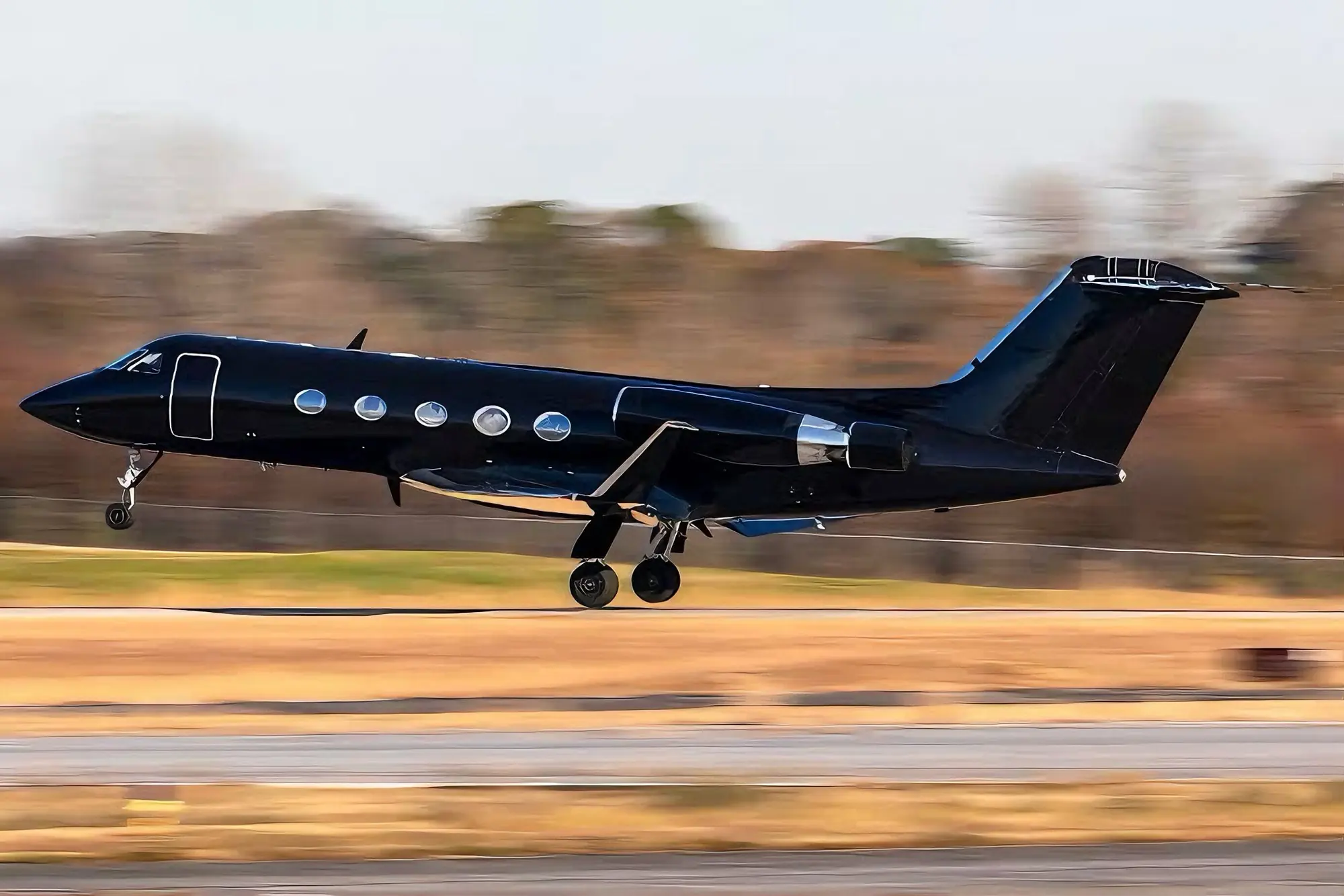
Search suitable operators around the route instead of forcing the trip into a single fleet.
Balance passenger count, seating, sleep configuration, baggage, pets and onboard privacy.
Evaluate runway, slots, customs, operating hours and drive time before the route is locked.
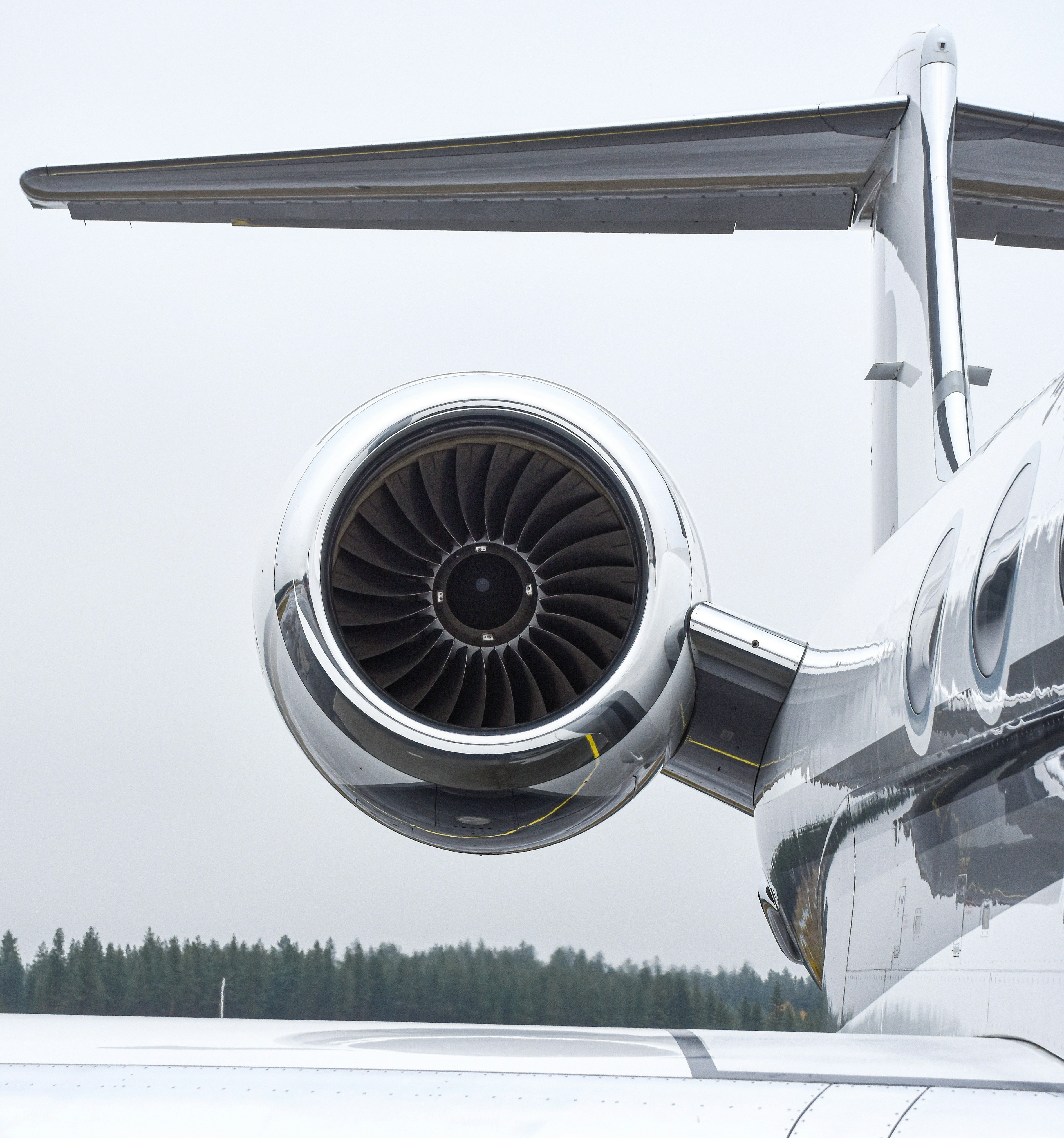
Review the proposed direct air carrier and mission-specific operating evidence before confirmation.
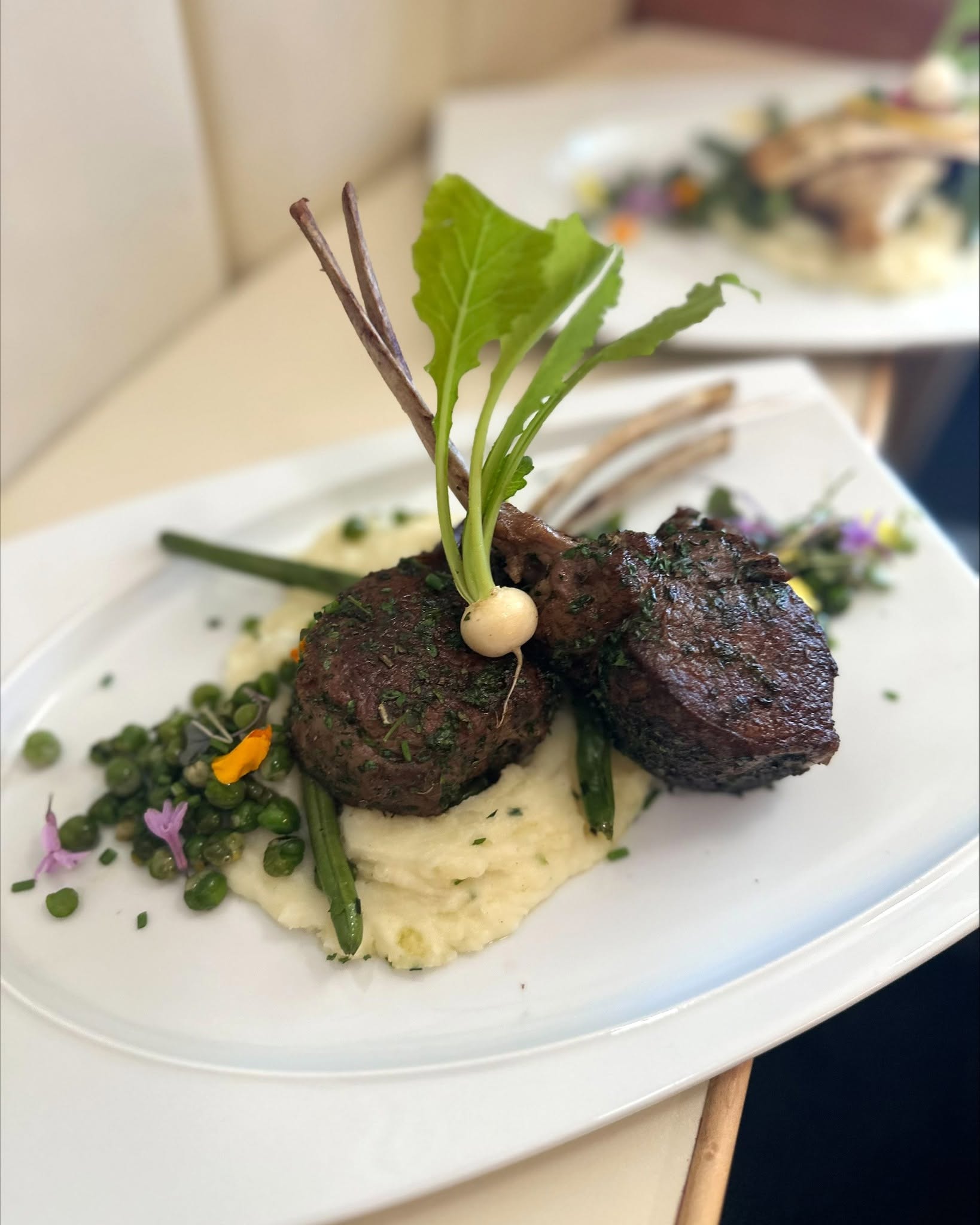
Coordinate dietary notes, preferred service style, cabin presentation and special-request items.
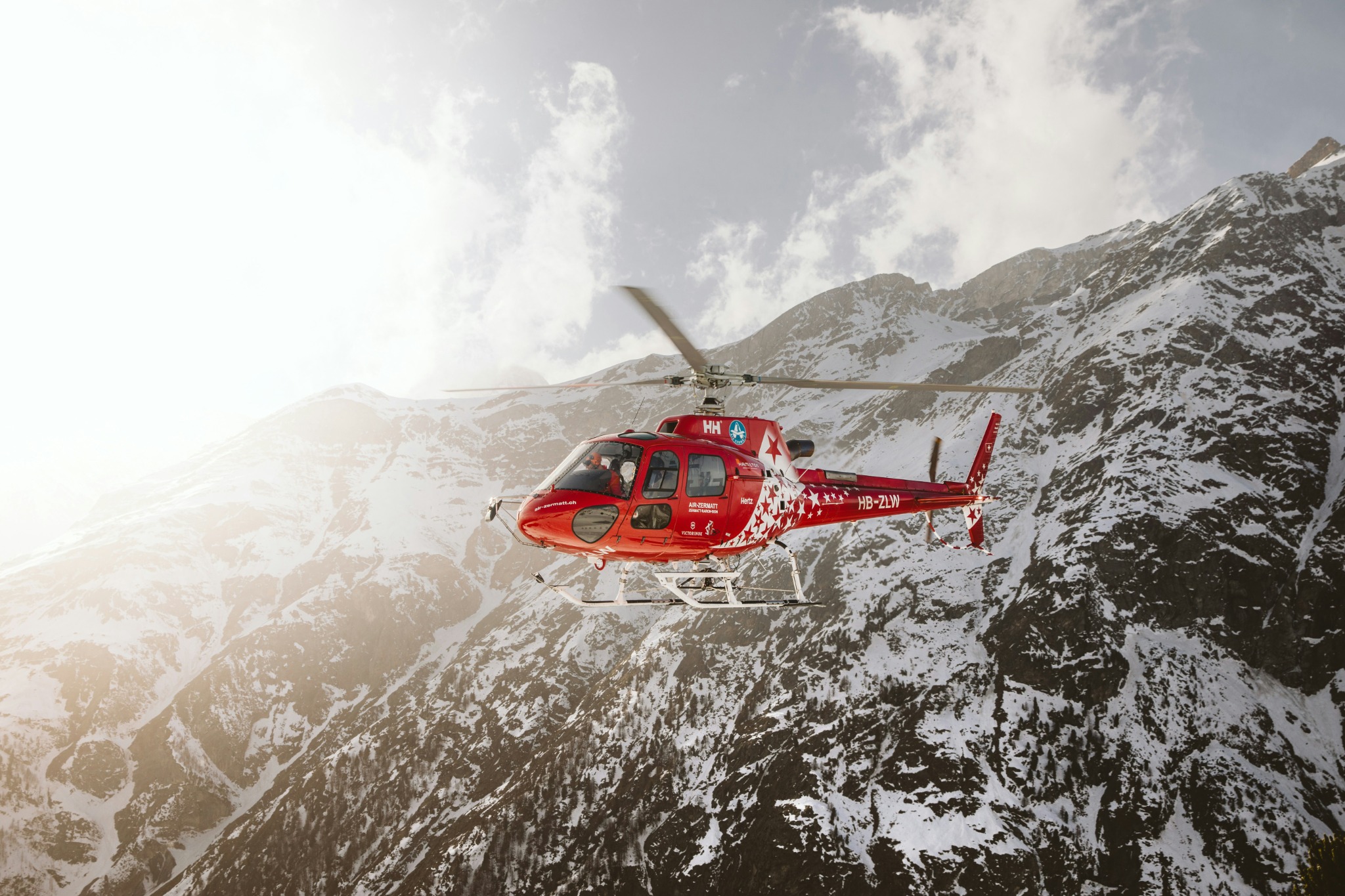
Link the aircraft to the residence, hotel, yacht or next airport without handing the client a fragmented itinerary.
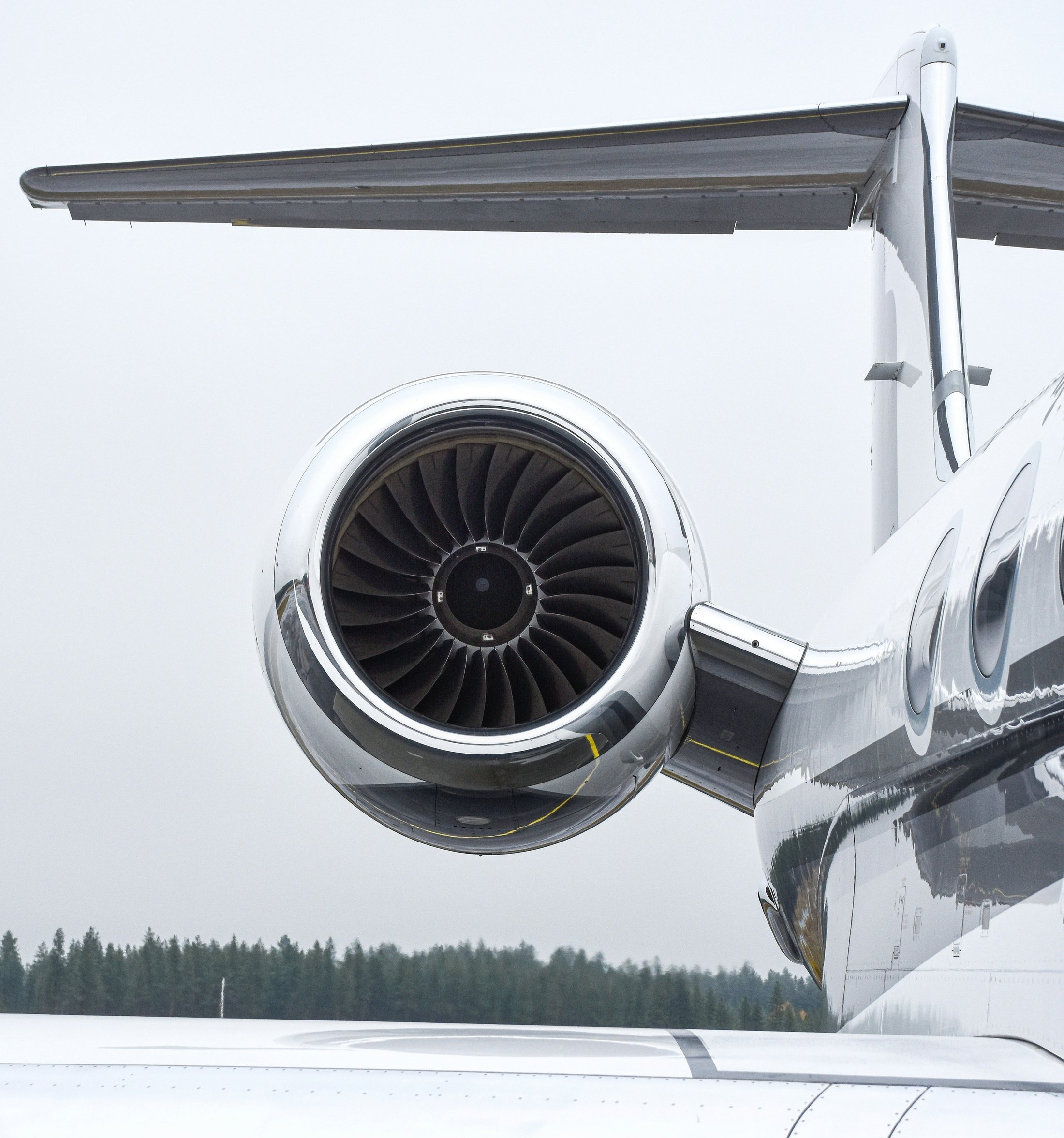
Brief → source → compare → coordinate. The same logic is used across aviation, yachting and onward movement, while the mission-specific evidence changes.
Begin a private brief →The category is a starting point. Runway, winds, cabin layout, baggage, crew duty and where the aircraft is positioned can change the best answer.
Prioritize airport access, efficient positioning and the cabin needed for the actual passenger count.
Balance nonstop capability, cabin comfort, baggage and operator positioning across longer same-country sectors.
Focus on true mission range, crew planning, sleep configuration, permits and a cabin suited to a long duty day.
When passenger count changes the mission, move into VIP airliner or Commercial VIP sourcing rather than stretching a business-jet solution.
Route, timing, passengers, privacy, baggage and special requirements.
Appropriate operators, aircraft or vessels are identified for the mission.
Options are compared on suitability, terms and operational fit.
The desk remains involved through handoffs and supporting movement.
Delays, passenger changes, catering updates, ground coordination and onward connections stay with the same desk, with the direct air carrier retaining operational control of the flight.
When charter starts to look like ownership, our affiliate Avelora advises on aircraft acquisition, ownership cost and sale. The introduction is optional, and your charter arrangements with this desk do not depend on it.